In Stock
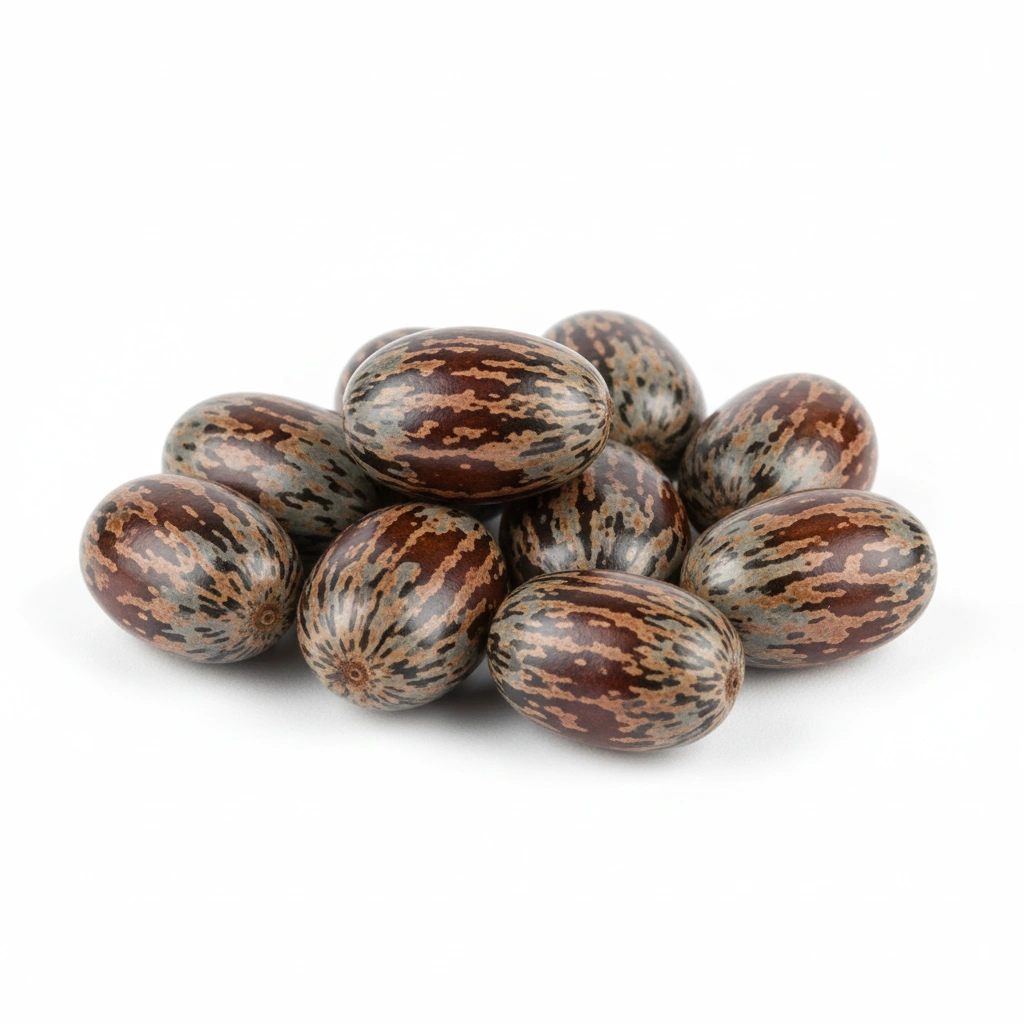
Product Image: For visualization purposes only. All ingredients are supplied as raw materials in bulk form. Available in NON-FOOD Ingredient form.
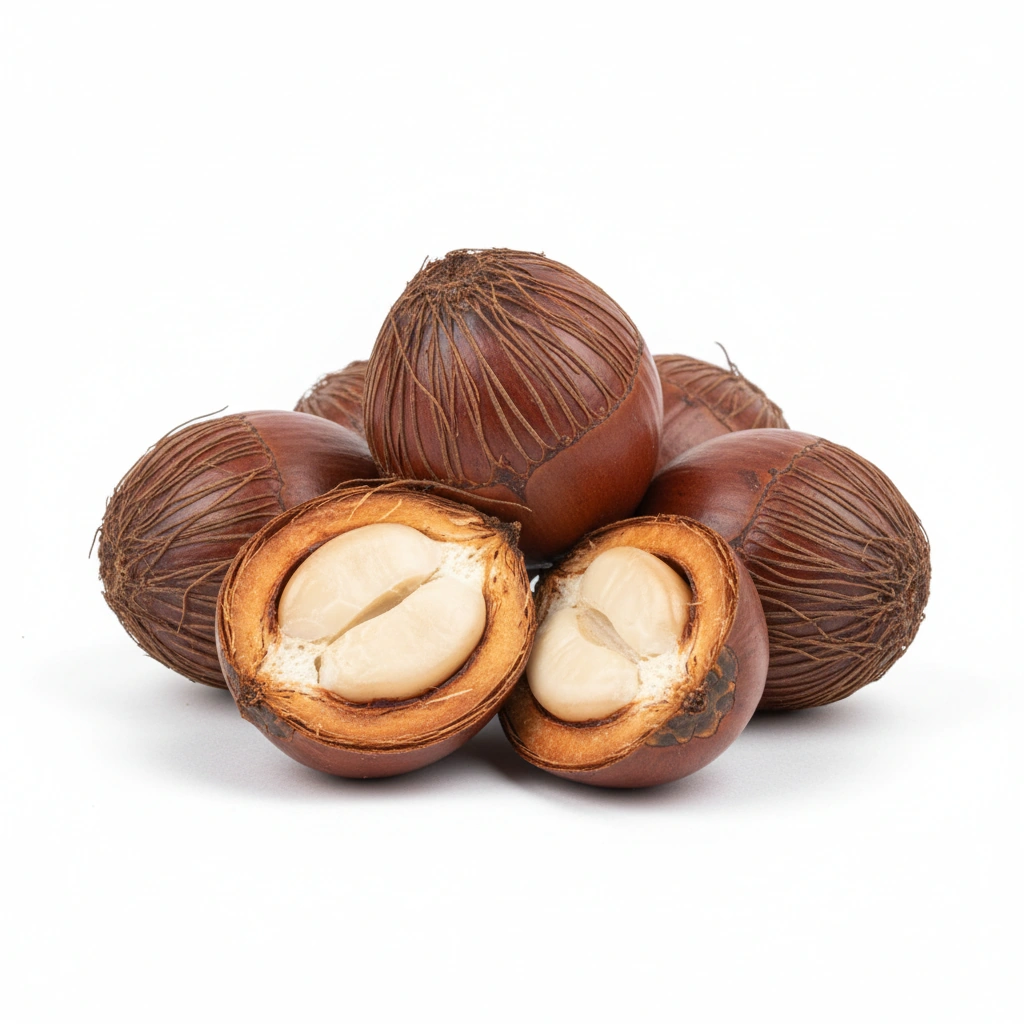
Castor oil, derived from Ricinus communis seeds, is a unique botanical oil rich in ricinoleic acid, known for its multifaceted health benefits. Traditionally used for digestive health and topical skin applications, it supports bowel regularity and provides deep moisturization. This cold-pressed oil is a valuable ingredient for both internal and external formulations, recognized for its natural efficacy and purity.
Castor oil, derived from the seeds of the Ricinus communis plant, is a pale yellow vegetable oil renowned for its distinctive composition and a long history of traditional use across various cultures. Originating from Africa and India, the castor bean plant has been cultivated for centuries, primarily for its oil. The oil is typically extracted through a cold-pressing process, which helps preserve its nutritional integrity and therapeutic properties. This non-volatile fatty oil is characterized by its high viscosity and unique fatty acid profile, making it distinct from many other botanical oils. Historically, castor oil has been utilized in Ayurvedic medicine, traditional Chinese medicine, and folk remedies for a wide range of applications, including topical skin treatments and internal digestive support. Its unique chemical structure contributes to its stability and efficacy in diverse formulations.
The primary active compound responsible for many of castor oil's therapeutic effects is ricinoleic acid, a monounsaturated fatty acid comprising approximately 85-90% of its total fatty acid content. This unique fatty acid is an 18-carbon hydroxylated fatty acid, which sets it apart from other common dietary fats. When applied topically, ricinoleic acid is believed to exert anti-inflammatory and analgesic effects by modulating prostaglandin E2 pathways, as suggested by in vitro studies. Internally, ricinoleic acid is metabolized in the intestine, where it acts as a stimulant laxative by increasing the movement of the intestinal muscles and promoting fluid secretion, thereby facilitating bowel evacuation. Research published in journals like Phytotherapy Research has explored its potential in alleviating constipation. Furthermore, its humectant properties contribute to its use in moisturizing skin and hair applications, drawing moisture from the air to hydrate tissues.
In supplement formulations, high-quality castor oil is valued for its versatility and efficacy, particularly in digestive health and topical cosmetic applications. For internal use, it is often incorporated into stimulant laxative preparations, emphasizing the need for carefully controlled dosages due to its potent effects. Externally, it serves as an emollient and occlusive agent in skincare products, contributing to skin barrier function and hydration. When selecting castor oil for commercial products, manufacturers prioritize cold-pressed, hexane-free varieties to ensure purity and avoid solvent residues, aligning with clean label trends. Clinical studies, such as those investigating its impact on chronic constipation, highlight its effectiveness, while ongoing research continues to explore its broader dermatological and anti-inflammatory potential. Its inclusion in formulations underscores a commitment to natural, plant-derived ingredients with established efficacy and a strong historical precedent.
Discover more ingredients that complement your selection